About EnergyWar.net
World War E
Energy infrastructure is not failing at random. Refineries, pipelines, tankers, power grids and the systems that keep them operating are being targeted according to a logic — economic, military, coercive, systemic. This OSINT (open-source intelligence) tool exists to make that logic visible in one source-linked public record.
Read this section in another language
Translate in place
Free machine translation powered by Cloudflare. The page stays in this frame.
01
Why this website exists
EnergyWar.net documents and analyzes the global contest over energy infrastructure — encompassing pipelines, refineries, tankers, ports, power grids, and the chokepoints upon which modern economies depend. Each incident we record is linked to its primary source and classified according to evidentiary confidence, reflecting the reality that in an era of economic warfare and hybrid conflict, critical infrastructure itself has become a theatre of operations.
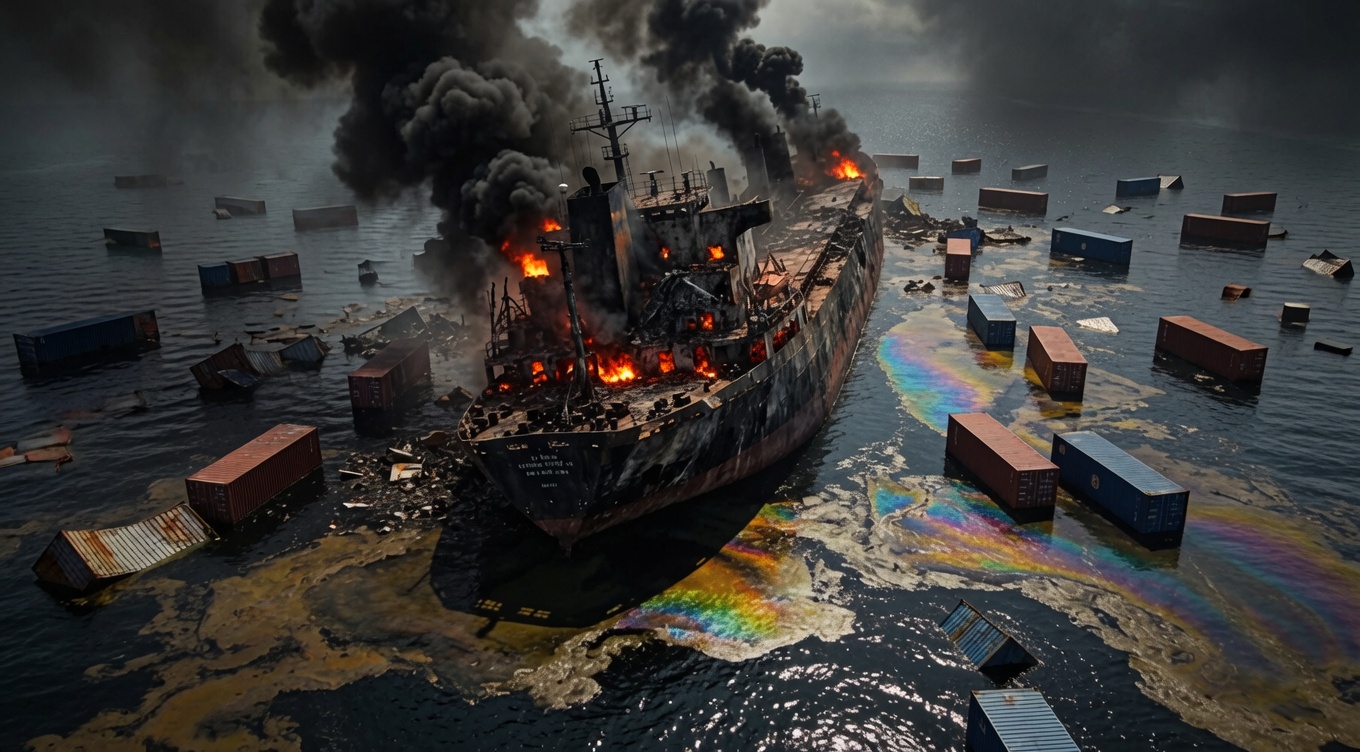
Why this matters
Civilization runs on energy.
When energy stops flowing, water treatment, hospitals, heating, transport, communications and food supply are placed under pressure. The ability to interrupt energy is the ability to harm a society without occupying it.
EnergyWar.net is not a news outlet. It is a forensic map of a conflict system that is often presented as disconnected headlines — but which reveals, when assembled, a pattern of deliberate design.
02
What we track
- Refineries and petrochemical plants
- Oil, gas and refined-product pipelines
- Tankers, gas carriers and maritime interdictions
- Power plants, substations and electricity grids
- Ports, terminals, fuel depots and offshore platforms
- LNG facilities, oil fields and nuclear power stations
- Cyberattacks with a documented operational consequence
- Attack threats, conflict-risk shutdowns and route disruptions
03
Evidence & confidence
Our platform systematically records and analyzes disruptions affecting refineries, pipelines, tankers, ports, power grids, and associated energy infrastructure worldwide. Each entry is classified by evidentiary status — documented, reported, unconfirmed, under investigation, or voluntary/commercial closure — enabling users to assess the reliability of reported incidents independently.
Shutdown percentages are recorded only when the reviewed evidence supports them. Precautionary unit closures are not presented as complete facility shutdowns, and interception debris is distinguished from a confirmed direct strike.
04
Methodology & sources
Tier 1 — strongest primary or independently edited sources
Reuters — 51 citations; strongest frequently used general source.Save to WaybackSave to archive.is
Associated Press — 24; strong independent confirmation.Save to WaybackSave to archive.is
UK Maritime Trade Operations — 19; primary maritime alerts, though initial reports can change.Save to WaybackSave to archive.is
U.S. Chemical Safety Board — 6; authoritative industrial investigations.Save to WaybackSave to archive.is
International Energy Agency — 5; strong energy statistics and analysis.Save to WaybackSave to archive.is
ARIA/French Environment Ministry — 5; official industrial-accident database.Save to WaybackSave to archive.is
ICC International Maritime Bureau — 4; authoritative piracy reporting.Save to WaybackSave to archive.is
National Transportation Safety Board — 3; primary US investigations.Save to WaybackSave to archive.is
Transportation Safety Board of Canada — 3; primary Canadian investigations.Save to WaybackSave to archive.is
U.S. Department of Energy — 4; strong official energy data.Save to WaybackSave to archive.is
U.S. Energy Information Administration — 2; particularly strong for capacity and market statistics.Save to WaybackSave to archive.is
PHMSA/US Department of Transportation — 2; authoritative pipeline records.Save to WaybackSave to archive.is
Australian Transport Safety Bureau — 1; primary investigation authority.Save to WaybackSave to archive.is
Canada Energy Regulator — 1; authoritative Canadian infrastructure data.Save to WaybackSave to archive.is
Cybersecurity and Infrastructure Security Agency — 1; primary cyber-alert source.Save to WaybackSave to archive.is
Brazilian petroleum regulator ANP — 1; primary Brazilian incident and facility data.Save to WaybackSave to archive.is
Australian Energy Market Operator — 1; primary electricity-system data.Save to WaybackSave to archive.is
Danish Energy Agency — 1; strong official energy information.Save to WaybackSave to archive.is
EPA Victoria — 1; primary environmental enforcement information.Save to WaybackSave to archive.is
International Atomic Energy Agency — 1; preferred authority for nuclear events.Save to WaybackSave to archive.is
U.S. Nuclear Regulatory Commission — primary US authority for civilian nuclear-plant safety events.Save to WaybackSave to archive.is
U.S. Bureau of Safety and Environmental Enforcement — primary US authority for offshore drilling and platform safety.Save to WaybackSave to archive.is
U.S. Coast Guard — authoritative for US maritime casualty and pollution response.Save to WaybackSave to archive.is
NATO Shipping Centre — NATO's own shipping-threat advisories for the merchant fleet.Save to WaybackSave to archive.is
European Maritime Safety Agency — EU maritime-safety agency; strong for European shipping incidents.Save to WaybackSave to archive.is
European Commission Directorate-General for Energy — European Commission's own energy-policy and security statements.Save to WaybackSave to archive.is
European Union Agency for the Cooperation of Energy Regulators — EU regulator coordinating national energy-market oversight.Save to WaybackSave to archive.is
ENTSO-E — European transmission operators' association; strong grid data.Save to WaybackSave to archive.is
ENTSOG — European gas transmission operators' association; strong pipeline-flow data.Save to WaybackSave to archive.is
Eurostat Energy — EU statistical office; strong for verified energy-market figures.Save to WaybackSave to archive.is
UK Office for Nuclear Regulation — UK's independent nuclear-site safety regulator.Save to WaybackSave to archive.is
UK Health and Safety Executive — UK workplace and industrial-safety regulator.Save to WaybackSave to archive.is
UK North Sea Transition Authority — UK regulator for offshore oil, gas and carbon-storage licensing.Save to WaybackSave to archive.is
UK Department for Energy Security and Net Zero — UK government department responsible for energy security policy.Save to WaybackSave to archive.is
Australian Energy Regulator — Australian regulator for wholesale and retail energy markets.Save to WaybackSave to archive.is
Australian Maritime Safety Authority — Australia's maritime safety and pollution-response authority.Save to WaybackSave to archive.is
Canadian Nuclear Safety Commission — Canada's independent nuclear-safety regulator.Save to WaybackSave to archive.is
Natural Resources Canada — Canadian federal department for energy and resource statistics.Save to WaybackSave to archive.is
Japan Nuclear Regulation Authority — Japan's independent nuclear-safety regulator, formed after Fukushima.Save to WaybackSave to archive.is
Japan Ministry of Economy, Trade and Industry — Japanese ministry overseeing energy policy and industrial incidents.Save to WaybackSave to archive.is
Korea Electric Power Corporation — South Korea's state electricity utility; primary for its own grid events.Save to WaybackSave to archive.is
Korea Hydro & Nuclear Power — South Korea's state nuclear and hydro operator; primary for its own plants.Save to WaybackSave to archive.is
National Energy Administration of China — China's national energy administration; official policy and capacity data.Save to WaybackSave to archive.is
India Ministry of Petroleum and Natural Gas — Indian ministry overseeing oil and gas policy and incident disclosure.Save to WaybackSave to archive.is
India Ministry of Power — Indian ministry overseeing the national power sector.Save to WaybackSave to archive.is
India Central Electricity Authority — India's central electricity authority; official generation and grid statistics.Save to WaybackSave to archive.is
India Petroleum and Natural Gas Regulatory Board — India's downstream oil and gas regulator.Save to WaybackSave to archive.is
Colombia Ministry of Mines and Energy — Colombian ministry overseeing energy and mining policy.Save to WaybackSave to archive.is
South Africa Department of Mineral and Petroleum Resources — South African department overseeing mineral and petroleum resources.Save to WaybackSave to archive.is
South Africa National Energy Regulator — South Africa's national energy regulator.Save to WaybackSave to archive.is
Nigeria Upstream Petroleum Regulatory Commission — Nigeria's upstream petroleum regulator.Save to WaybackSave to archive.is
Nigerian Midstream and Downstream Petroleum Regulatory Authority — Nigeria's midstream and downstream petroleum regulator.Save to WaybackSave to archive.is
Saudi Ministry of Energy — Saudi Arabia's energy ministry; official statements on the kingdom's sector.Save to WaybackSave to archive.is
United Arab Emirates Ministry of Energy and Infrastructure — UAE ministry overseeing energy and infrastructure policy.Save to WaybackSave to archive.is
QatarEnergy — Qatar's state energy company; primary for its own facilities.Save to WaybackSave to archive.is
Petroleum Development Oman — Oman's main oil and gas operator; primary for its own fields.Save to WaybackSave to archive.is
Norwegian Offshore Directorate — Norway's offshore petroleum regulator (formerly the NPD).Save to WaybackSave to archive.is
Norwegian Ocean Industry Authority — Norway's offshore safety authority.Save to WaybackSave to archive.is
Swedish Radiation Safety Authority — Sweden's nuclear and radiation-safety regulator.Save to WaybackSave to archive.is
Finnish Radiation and Nuclear Safety Authority — Finland's radiation and nuclear-safety authority.Save to WaybackSave to archive.is
France Nuclear Safety Authority — France's independent nuclear-safety authority.Save to WaybackSave to archive.is
France Ministry for Ecological Transition — French ministry overseeing energy and environmental policy.Save to WaybackSave to archive.is
Germany Federal Network Agency — Germany's federal regulator for electricity and gas networks.Save to WaybackSave to archive.is
Netherlands State Supervision of Mines — Dutch regulator for onshore and offshore mining and gas extraction.Save to WaybackSave to archive.is
Ukraine Ministry of Energy — Ukraine's energy ministry; official statements on wartime energy damage.Save to WaybackSave to archive.is
State Nuclear Regulatory Inspectorate of Ukraine — Ukraine's independent nuclear-safety regulator.Save to WaybackSave to archive.is
National Power Company Ukrenergo — Ukraine's national grid operator; primary for transmission-system damage.Save to WaybackSave to archive.is
State Emergency Service of Ukraine — Ukraine's state emergency service; primary for fire and rescue response.Save to WaybackSave to archive.is
Organization of the Petroleum Exporting Countries — Cartel of oil-exporting states; authoritative for production-policy statements.Save to WaybackSave to archive.is
Gas Exporting Countries Forum — Forum of gas-exporting states; authoritative for member statements.Save to WaybackSave to archive.is
World Nuclear Association — Global nuclear-industry association; strong reference and reactor data.Save to WaybackSave to archive.is
International Maritime Organization — UN maritime agency; authoritative for shipping safety and environmental rules.Save to WaybackSave to archive.is
International Renewable Energy Agency — Intergovernmental agency for renewable-energy statistics and policy.Save to WaybackSave to archive.is
Tier 2 — highly reliable journalism and specialist intelligence
Bloomberg — 4; strong financial and energy reporting.Save to WaybackSave to archive.is
BBC — 1; strong editorial and verification standards.Save to WaybackSave to archive.is
CBC News — 1; strong public-service journalism.Save to WaybackSave to archive.is
RFE/RL — 4; valuable regional reporting with transparent sourcing.Save to WaybackSave to archive.is
S&P Global Commodity Insights — 2; high-quality specialist market intelligence.Save to WaybackSave to archive.is
Argus Media — 3; strong commodity and operational reporting.Save to WaybackSave to archive.is
Global Energy Monitor — 16; excellent infrastructure reference source.Save to WaybackSave to archive.is
Oil & Gas Journal — 8; established specialist publication.Save to WaybackSave to archive.is
Hydrocarbon Processing — 13; useful operational and refinery reporting.Save to WaybackSave to archive.is
The Maritime Executive — 4; established maritime trade reporting.Save to WaybackSave to archive.is
Inspectioneering — 2; useful industrial-safety reporting.Save to WaybackSave to archive.is
Pipeline Safety Trust — 2; strong pipeline-safety research.Save to WaybackSave to archive.is
Clean Energy Wire — 1; transparent specialist energy reporting.Save to WaybackSave to archive.is
BNamericas — 1; useful Latin American infrastructure intelligence.Save to WaybackSave to archive.is
CNBC — 1; generally reliable for markets when reporting is attributed.Save to WaybackSave to archive.is
CBS News — 2; established editorial operation.Save to WaybackSave to archive.is
CNN — 1; useful for independently reported breaking events.Save to WaybackSave to archive.is
Euronews — 2; generally dependable regional coverage.Save to WaybackSave to archive.is
Houston Public Media — 2; strong local reporting for US Gulf incidents.Save to WaybackSave to archive.is
African Development Bank — 2; strong primary project and capacity information.Save to WaybackSave to archive.is
Agence France-Presse — major international wire service with independent verification standards.Save to WaybackSave to archive.is
Financial Times — strong financial and energy-markets reporting.Save to WaybackSave to archive.is
The Guardian — established international outlet with a dedicated energy desk.Save to WaybackSave to archive.is
The New York Times — established international outlet with strong verification standards.Save to WaybackSave to archive.is
The Washington Post — established international outlet with strong verification standards.Save to WaybackSave to archive.is
The Wall Street Journal — strong financial and energy-markets reporting.Save to WaybackSave to archive.is
France 24 — French state international broadcaster with wide regional reach.Save to WaybackSave to archive.is
Deutsche Welle — German state international broadcaster with wide regional reach.Save to WaybackSave to archive.is
NHK World-Japan — Japan's public broadcaster; strong regional coverage.Save to WaybackSave to archive.is
Australian Broadcasting Corporation — Australia's public broadcaster; strong regional coverage.Save to WaybackSave to archive.is
Voice of America — US-funded international broadcaster with wide regional reach.Save to WaybackSave to archive.is
Meduza — independent Russian-language outlet operating in exile.Save to WaybackSave to archive.is
The National — established UAE-based outlet with strong Gulf coverage.Save to WaybackSave to archive.is
The Africa Report — established pan-African business and policy outlet.Save to WaybackSave to archive.is
Premium Times Nigeria — established Nigerian investigative outlet.Save to WaybackSave to archive.is
Daily Maverick — established South African investigative outlet.Save to WaybackSave to archive.is
The Hindu — established Indian national newspaper.Save to WaybackSave to archive.is
The Indian Express — established Indian national newspaper.Save to WaybackSave to archive.is
South China Morning Post — established Hong Kong outlet with strong regional China coverage.Save to WaybackSave to archive.is
The Japan Times — established English-language Japanese newspaper.Save to WaybackSave to archive.is
The Korea Herald — established English-language South Korean newspaper.Save to WaybackSave to archive.is
Channel News Asia — established Singapore-based regional broadcaster.Save to WaybackSave to archive.is
The Straits Times — established Singapore national newspaper.Save to WaybackSave to archive.is
Latin America News Agency — regional outlet with useful Latin American infrastructure coverage.Save to WaybackSave to archive.is
Tier 3 — credible regional reporting, best with corroboration
Al Jazeera — 16 consolidated citations; strong regional reach, but attribution should be checked.Save to WaybackSave to archive.is
Ukrainska Pravda — 13; valuable Ukrainian reporting during wartime.Save to WaybackSave to archive.is
Kyiv Independent — 6; generally transparent English-language Ukrainian coverage.Save to WaybackSave to archive.is
The Moscow Times — 3; useful independent Russian coverage.Save to WaybackSave to archive.is
The Independent — 4; established outlet, although quality varies by article.Save to WaybackSave to archive.is
Africanews — 2; useful regional incident coverage.Save to WaybackSave to archive.is
Arab News — 2; useful Saudi/Gulf reporting, especially when carrying official statements.Save to WaybackSave to archive.is
Times of Israel — 2; useful Israeli reporting, requiring care on conflict claims.Save to WaybackSave to archive.is
Deccan Herald — 2; established Indian publication.Save to WaybackSave to archive.is
Ahram Online — 2 consolidated citations; useful Egyptian reporting.Save to WaybackSave to archive.is
Dawn — 1; established Pakistani newspaper.Save to WaybackSave to archive.is
Business Standard — 1; established Indian business reporting.Save to WaybackSave to archive.is
Business Recorder — 1; useful Pakistani financial reporting.Save to WaybackSave to archive.is
ANTARA News — 1; Indonesia's national agency, useful for local confirmation.Save to WaybackSave to archive.is
- APA — 2; useful regional wire reporting where the underlying agency is identified.
Agence de Presse Sénégalaise — 1; primary national-news reporting.Save to WaybackSave to archive.is
- Agence Nigérienne de Presse — 1; useful for local official announcements.
Atalayar — 1; regional specialist outlet requiring corroboration.Save to WaybackSave to archive.is
CIDOB — 1; credible research and geopolitical context.Save to WaybackSave to archive.is
Rigzone — 2; useful energy-industry reporting, especially with named sources.Save to WaybackSave to archive.is
Energy Intelligence — specialist energy-intelligence publication, largely subscription-gated.Save to WaybackSave to archive.is
Offshore Energy — specialist offshore energy and maritime trade publication.Save to WaybackSave to archive.is
Upstream Online — specialist upstream oil and gas trade publication.Save to WaybackSave to archive.is
World Oil — specialist upstream oil and gas trade publication.Save to WaybackSave to archive.is
Hart Energy — specialist US energy trade publication.Save to WaybackSave to archive.is
Petroleum Economist — specialist oil and gas markets publication.Save to WaybackSave to archive.is
Hydrocarbon Engineering — specialist downstream and refining trade publication.Save to WaybackSave to archive.is
Pipeline & Gas Journal — specialist pipeline trade publication.Save to WaybackSave to archive.is
LNG Prime — specialist LNG trade publication.Save to WaybackSave to archive.is
LNG Industry — specialist LNG trade publication.Save to WaybackSave to archive.is
Natural Gas World — specialist natural gas markets publication.Save to WaybackSave to archive.is
Montel News — specialist European power and gas markets publication.Save to WaybackSave to archive.is
ICIS — specialist commodity markets intelligence, largely subscription-gated.Save to WaybackSave to archive.is
Rystad Energy — energy-research consultancy; useful analysis, not incident reporting.Save to WaybackSave to archive.is
Wood Mackenzie — energy-research consultancy; useful analysis, not incident reporting.Save to WaybackSave to archive.is
Kpler — commodity-flow and vessel-tracking data provider.Save to WaybackSave to archive.is
Vortexa — commodity-flow and vessel-tracking data provider.Save to WaybackSave to archive.is
MarineTraffic — ship-tracking service; useful for corroborating vessel positions.Save to WaybackSave to archive.is
VesselFinder — ship-tracking service; useful for corroborating vessel positions.Save to WaybackSave to archive.is
Lloyd's List — specialist maritime trade publication, largely subscription-gated.Save to WaybackSave to archive.is
TradeWinds — specialist shipping trade publication, largely subscription-gated.Save to WaybackSave to archive.is
gCaptain — specialist maritime trade publication with strong incident coverage.Save to WaybackSave to archive.is
Splash247 — specialist maritime trade publication.Save to WaybackSave to archive.is
Safety4Sea — specialist maritime safety trade publication.Save to WaybackSave to archive.is
Power Engineering International — specialist power-generation trade publication.Save to WaybackSave to archive.is
POWER Magazine — specialist power-generation trade publication.Save to WaybackSave to archive.is
Utility Dive — specialist US utility-sector trade publication.Save to WaybackSave to archive.is
Energy-Storage.news — specialist battery and grid-storage trade publication.Save to WaybackSave to archive.is
PV Magazine — specialist solar-industry trade publication.Save to WaybackSave to archive.is
Windpower Monthly — specialist wind-industry trade publication.Save to WaybackSave to archive.is
Recharge — specialist renewable-energy trade publication.Save to WaybackSave to archive.is
Nuclear Engineering International — specialist nuclear-industry trade publication.Save to WaybackSave to archive.is
World Nuclear News — nuclear-industry news service run by the World Nuclear Association.Save to WaybackSave to archive.is
NucNet — independent nuclear-industry news service.Save to WaybackSave to archive.is
Chemical Engineering — specialist chemical-engineering trade publication.Save to WaybackSave to archive.is
Fire Engineering — specialist fire-service trade publication.Save to WaybackSave to archive.is
Industrial Fire World — specialist industrial fire-safety trade publication.Save to WaybackSave to archive.is
ENR — specialist construction and engineering trade publication.Save to WaybackSave to archive.is
Tier 4 — authoritative for a limited purpose, but not independent
Saudi Press Agency — 6; authoritative for Saudi government statements.Save to WaybackSave to archive.is
Chinese Ministry of Emergency Management — 4; strong for officially recorded accidents.Save to WaybackSave to archive.is
JOGMEC — 4; strong Japanese energy and reserve information.Save to WaybackSave to archive.is
Indian Oil Corporation — 4; authoritative about its facilities, but self-reporting.Save to WaybackSave to archive.is
Kuwait National Petroleum Company — 2; primary operator statements.Save to WaybackSave to archive.is
Kazakhstan Ministry of Energy — 2; official operational information.Save to WaybackSave to archive.is
U.S. Central Command — 11; authoritative about acknowledged US actions, not independent.Save to WaybackSave to archive.is
Arctic Council/Russian EMERCOM — 1; useful primary environmental and emergency information.Save to WaybackSave to archive.is
Bavarian Police — 1; strong for local emergency facts.Save to WaybackSave to archive.is
Bay Area Air Quality Management District — 1; primary emissions and enforcement data.Save to WaybackSave to archive.is
Egypt's Petroleum Ministry — 1; authoritative for official Egyptian announcements.Save to WaybackSave to archive.is
Egypt State Information Service — 1; government position, not independent verification.Save to WaybackSave to archive.is
Indian Strategic Petroleum Reserves — 3; primary reserve-site information.Save to WaybackSave to archive.is
Solar Energy Industries Association — 3; useful industry data with advocacy interests.Save to WaybackSave to archive.is
Alyeska Pipeline Service Company — 1; authoritative operator information.Save to WaybackSave to archive.is
ADNOC — 1; authoritative about its own facilities.Save to WaybackSave to archive.is
BP — 1; useful operator data requiring external confirmation after incidents.Save to WaybackSave to archive.is
ExxonMobil — 3; useful operator data requiring external confirmation.Save to WaybackSave to archive.is
Bellingcat — open-source investigations outlet; strong geolocation methodology.Save to WaybackSave to archive.is
Centre for Information Resilience — open-source monitoring group; runs the CIR Eyes on Russia project used elsewhere on this site.Save to WaybackSave to archive.is
Conflict Observatory — satellite-based conflict-monitoring project (Yale HRL).Save to WaybackSave to archive.is
Armed Conflict Location & Event Data — conflict-event database; useful for cross-referencing attack patterns, not primary sourcing.Save to WaybackSave to archive.is
Critical Threats Project — US think tank tracking regional conflict developments.Save to WaybackSave to archive.is
Institute for the Study of War — US think tank publishing detailed daily conflict assessments.Save to WaybackSave to archive.is
Center for Strategic and International Studies — established US foreign-policy and energy-security think tank.Save to WaybackSave to archive.is
International Institute for Strategic Studies — established international strategic-studies think tank.Save to WaybackSave to archive.is
Royal United Services Institute — established UK defence and security think tank.Save to WaybackSave to archive.is
Stockholm International Peace Research Institute — established international peace and arms-research institute.Save to WaybackSave to archive.is
Center for Strategic and Budgetary Assessments — US defence-strategy think tank.Save to WaybackSave to archive.is
Center on Global Energy Policy — university-affiliated global energy-policy research center.Save to WaybackSave to archive.is
Oxford Institute for Energy Studies — university-affiliated energy-research institute.Save to WaybackSave to archive.is
Center for Energy Studies at Rice University's Baker Institute — university-affiliated energy-research institute.Save to WaybackSave to archive.is
Atlantic Council Global Energy Center — US foreign-policy think tank with a dedicated energy program.Save to WaybackSave to archive.is
Ember — independent energy think tank; strong power-sector data analysis.Save to WaybackSave to archive.is
Energy Institute — professional body for the energy industry; standards and statistics.Save to WaybackSave to archive.is
Energy Transitions Commission — industry coalition focused on decarbonization pathways, not incident reporting.Save to WaybackSave to archive.is
Rocky Mountain Institute — independent clean-energy research institute.Save to WaybackSave to archive.is
Institute for Energy Economics and Financial Analysis — independent energy-economics research institute, advocacy-oriented.Save to WaybackSave to archive.is
Center for Research on Energy and Clean Air — independent research center on energy-related air-quality impacts.Save to WaybackSave to archive.is
Climate TRACE — independent emissions-monitoring coalition using satellite data.Save to WaybackSave to archive.is
Global Forest Watch Fires — satellite-based fire and land-monitoring platform.Save to WaybackSave to archive.is
NASA FIRMS — NASA's satellite fire-detection data, also used as a live map layer on this site.Save to WaybackSave to archive.is
Copernicus Emergency Management Service — EU satellite emergency-mapping service for major disasters.Save to WaybackSave to archive.is
European-Mediterranean Seismological Centre — European-Mediterranean seismic monitoring center; real-time earthquake data.Save to WaybackSave to archive.is
U.S. Geological Survey Earthquake Hazards Program — US federal seismic monitoring agency; authoritative earthquake data.Save to WaybackSave to archive.is
Global Disaster Alert and Coordination System — UN/EU joint disaster-alert coordination system.Save to WaybackSave to archive.is
ReliefWeb — UN-run humanitarian information service; useful situational reports.Save to WaybackSave to archive.is
International Crisis Group — independent conflict-analysis think tank.Save to WaybackSave to archive.is
Ukraine Defence Intelligence — Ukraine's military intelligence directorate; a belligerent's own claims, not independent evidence.Save to WaybackSave to archive.is
Ukraine Security Service — Ukraine's security service; a belligerent's own claims, not independent evidence.Save to WaybackSave to archive.is
Russian Ministry of Defence — Russia's defence ministry; a belligerent's own claims, not independent evidence.Save to WaybackSave to archive.is
Israel Defense Forces — Israel's military; a belligerent's own claims, not independent evidence.Save to WaybackSave to archive.is
U.S. Naval Institute News — US Naval Institute's news service; strong naval and maritime-security reporting.Save to WaybackSave to archive.is
Naval News — specialist naval-affairs trade publication.Save to WaybackSave to archive.is
The War Zone — specialist defence-and-military-technology outlet with strong open-source analysis.Save to WaybackSave to archive.is
Janes — established defence-intelligence publisher, largely subscription-gated.Save to WaybackSave to archive.is
Military News Agency — Ukrainian military-affairs outlet; useful context, not independent verification.Save to WaybackSave to archive.is
Tier 5 — useful leads or references; corroboration recommended
Wikipedia — 72; excellent discovery tool, unsuitable as sole incident confirmation.Save to WaybackSave to archive.is
China Daily — 1; state-controlled; verify sensitive claims independently.Save to WaybackSave to archive.is
ANI — 1; rapid news aggregation with inconsistent source depth.Save to WaybackSave to archive.is
- Armed Forces of Ukraine — 1; primary belligerent claim, not independent evidence.
Defense Express — 1; useful defense reporting with a Ukrainian perspective.Save to WaybackSave to archive.is
- BISI — 1; limited independent reputation information.
- CAPMAD — 1; limited editorial transparency.
ChemOrbis — 1; useful industry lead, normally paywalled or source-dependent.Save to WaybackSave to archive.is
Click Petróleo e Gás — 1; useful local lead requiring corroboration.Save to WaybackSave to archive.is
Deccan Chronicle — 1; established but less consistent than higher-tier Indian outlets.Save to WaybackSave to archive.is
- Business or government claims carried only through Ahram Online — verify the underlying statement.
CNPC — 1; authoritative operator claim, not independent.Save to WaybackSave to archive.is
Dangote Group — 1; operator self-reporting.Save to WaybackSave to archive.is
Dolphin Energy — 1; operator self-reporting.Save to WaybackSave to archive.is
EACOP — 1; project-company information.Save to WaybackSave to archive.is
- Egyptian government media — authoritative for policy, weaker for independent incident assessment.
Petróleos Mexicanos — 3; primary operator source, but external confirmation is preferable.Save to WaybackSave to archive.is
Pipeline Technology Journal — 3; useful technical context, variable for breaking incidents.Save to WaybackSave to archive.is
Enerdata — 1; useful secondary energy reference, methodology should be checked.Save to WaybackSave to archive.is
Emergency Live — 1; treat as a lead until confirmed by an authority or established newsroom.Save to WaybackSave to archive.is
Liveuamap — crowdsourced conflict-mapping aggregator; useful for leads, not sole confirmation.Save to WaybackSave to archive.is
Flightradar24 — live flight-tracking service; useful for corroborating aviation-related incidents.Save to WaybackSave to archive.is
ADS-B Exchange — unfiltered live flight-tracking service, including some military traffic.Save to WaybackSave to archive.is
Sentinel Hub EO Browser — public satellite-imagery viewer; useful for visual corroboration.Save to WaybackSave to archive.is
NASA Worldview — NASA's public satellite-imagery viewer.Save to WaybackSave to archive.is
OpenStreetMap — crowdsourced mapping data; useful for locating facilities, not incident confirmation.Save to WaybackSave to archive.is
Wikimapia — crowdsourced mapping annotations; useful leads, unverified.Save to WaybackSave to archive.is
Google Earth — public satellite-imagery viewer; useful for visual corroboration.Save to WaybackSave to archive.is
Zoom Earth — public satellite and weather-imagery viewer.Save to WaybackSave to archive.is
Windy — public weather-visualization service; occasional smoke-plume corroboration.Save to WaybackSave to archive.is
Global Fishing Watch — public vessel-tracking platform focused on fishing activity.Save to WaybackSave to archive.is
ShipSpotting — crowdsourced vessel-photo database; useful for identifying ships, not events.Save to WaybackSave to archive.is
Marine Vessel Traffic — ship-tracking service; useful for corroborating vessel positions.Save to WaybackSave to archive.is
GeoConfirmed — crowdsourced open-source geolocation project.Save to WaybackSave to archive.is
Mapillary — crowdsourced street-level imagery; occasional ground-truth corroboration.Save to WaybackSave to archive.is
05
Limitations & honesty
Coverage is currently weakest in:
- Sub-Saharan Africa outside the best-covered oil-producing regions
- Southeast Asia and the Pacific
- Latin America when original Spanish or Portuguese reporting is not indexed
- Cyber incidents that victims do not publicly disclose
- Events inside closed or heavily censored information environments
- Very local distribution-grid failures and accidental vault, cable or transformer fires that receive only short-lived local coverage
- Minor militia, piracy and regional infrastructure incidents reported only in non-English or non-indexed local sources
- Fast-moving strike campaigns in occupied territory where facility identities, damage and restoration status cannot be independently resolved
06
The strategic significance of the Strait of Hormuz
While the Strait of Hormuz is widely recognized as a conduit for petroleum, its strategic importance extends considerably beyond crude oil, refined products, and liquefied natural gas. The channel serves as a vital artery for a broad spectrum of industrial and agricultural commodities upon which global supply chains rely.
Energy commodities and consumer price transmission
The strait facilitates the transit of approximately one-fifth of global petroleum consumption, alongside substantial volumes of diesel, refined products, and LNG — the majority of the latter originating from Qatar. Disruptions to these flows exert immediate upward pressure on international energy prices. However, the downstream effects on consumer welfare are frequently underappreciated.
The cost of domestic electricity is rising across numerous jurisdictions, driven in significant measure by volatility in feedstock prices for thermal generation and the cascading effects of fuel market disruptions. Concurrently, elevated diesel prices are transmitted directly to end consumers through freight and logistics costs. This transmission mechanism is particularly pronounced in economies such as Australia, where road freight constitutes the dominant mode of goods distribution — a pattern replicated across many developed and developing nations. In such contexts, diesel price shocks propagate rapidly into the prices of food, consumer goods, and construction materials, amplifying inflationary pressures and eroding household purchasing power.
Non-fuel commodities: fertilizers and agricultural inputs
Beyond hydrocarbons, the Gulf region is a preponderant supplier of critical agricultural inputs. The region accounts for approximately 30–45% of global urea exports, with substantial additional volumes of ammonia, phosphate fertilizers (including DAP and MAP), and sulfur transiting the strait. Collectively, more than 30% of global fertilizer trade has historically moved through Hormuz. Any sustained interruption would therefore generate acute second-order effects on global food production, crop yields, and food price stability.
Industrial chemicals and critical minerals processing
Approximately half of global seaborne sulfur exports originate in the Gulf, destined for conversion into sulfuric acid — an essential reagent in phosphate fertilizer production, base metal processing (copper, nickel, zinc), and the refining of critical minerals required for electric vehicle batteries and electronics manufacturing.
Furthermore, the region exports roughly 30% or more of globally traded methanol, together with significant volumes of petrochemicals and polymers — including polyethylene, polypropylene, ethylene glycol, and styrene — which constitute foundational inputs for packaging, plastics, automotive components, and broader manufacturing activity.
Metals and specialty gases
The Gulf produces approximately 8–10% of global aluminum supply, with several million tonnes exported annually through the strait for use in construction, transport, packaging, and energy technologies. Additionally, Qatar supplies 30–35% of global helium exports, an irreplaceable input for semiconductor fabrication, magnetic resonance imaging, and advanced manufacturing processes.
Alternative route constraints
A critical vulnerability distinguishing many of these commodity flows from crude oil is the absence of viable alternative export infrastructure. Whilst certain crude streams may be partially diverted via pipeline networks, commodities such as fertilizers, petrochemicals, and helium lack equivalent redundancy. Consequently, a disruption at Hormuz would generate supply shocks across food systems, industrial manufacturing, and high-technology sectors that would prove both severe and protracted.
07
Submit a tip or correction
Found a missing incident, a stronger source, a location error or a disputed attribution? Submit the facility, event date and original source links. Geolocation notes are helpful when their provenance is clear.
Research databases
Cyber incident research databases
For readers who want to go beyond individual incident write-ups, these independent research projects track cyberattacks on critical infrastructure at scale, with downloadable, structured data.
Related tools
Related monitoring tools
Further reading